
MANON: THE BLACK GIRL IN THE MIDDLE
I hate that I’m even writing this — because it feels familiar. Disappointingly familiar. Watching this unfold feels like watching the same story repeat itself: the cycle of what it means to be the “token” Black girl in a global industry. Spotlighted when diversity is needed. Centered when optics require it. And quietly sidelined when it becomes inconvenient. It’s exhausting. And it’s telling.
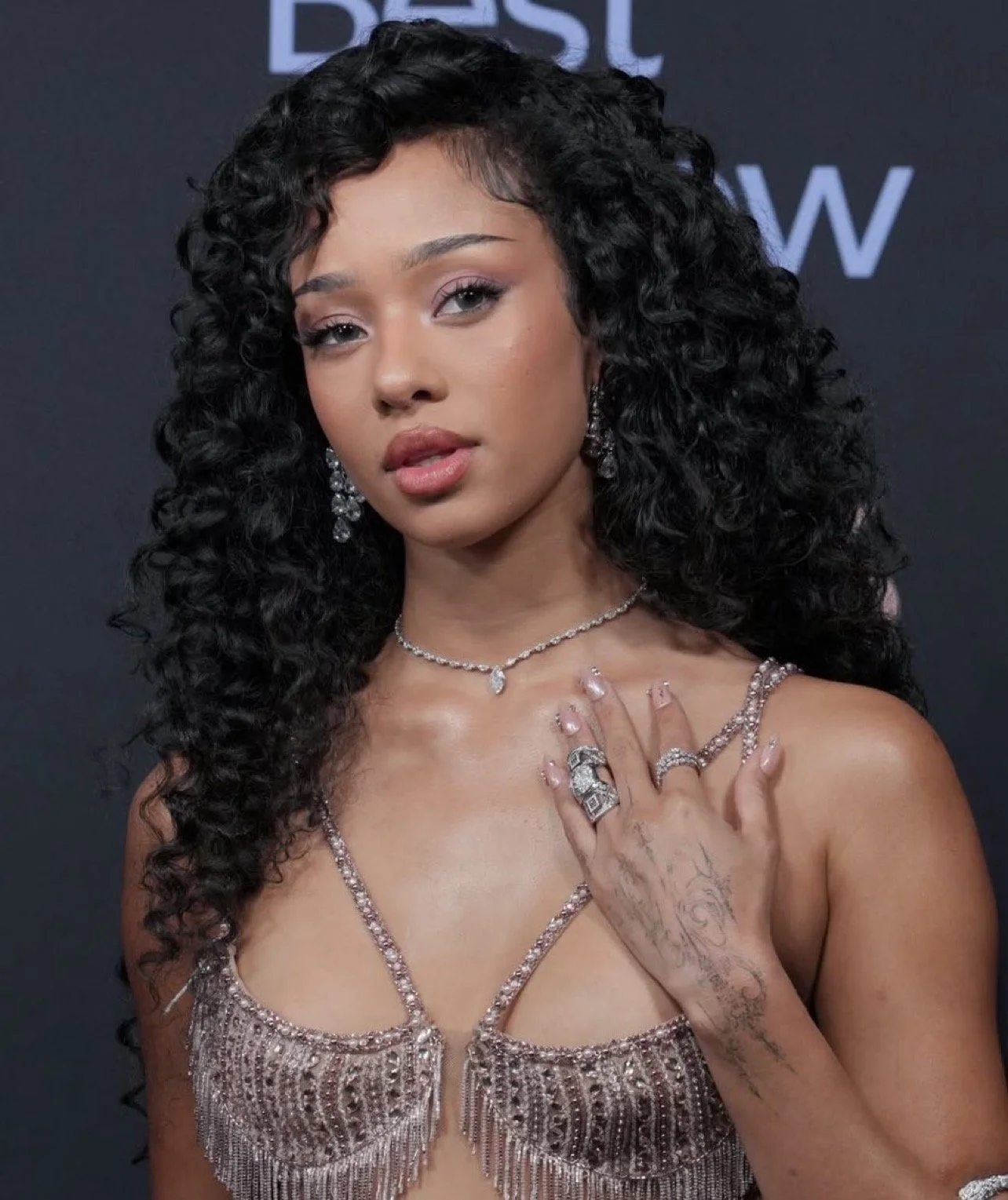
If Manon were to be removed from KATSEYE, it wouldn’t just be another lineup change — it would be one of the most culturally tone-deaf decisions in Western girl-group history.
From the beginning — especially during The Debut: Dream Academy — the identity of this group was clear: global representation. That was the pitch. That was the selling point. A team assembled to reflect the world. Different languages. Different cultures. Different ethnicities. A reimagining of what a “Western” girl group could look like in a K-pop-inspired system.
Manon wasn’t just another trainee. She represented something deeply intentional.
If she is no longer in the group, then Black girls, mixed-race girls, Black Europeans, and African representation disappear entirely from the lineup. That is not a small detail. That is a foundational shift in the group’s brand identity.
And let’s be honest — from Dream Academy onward, Manon’s image has been one of the most pushed and recognizable. Her visuals, her storyline, her global appeal — she was positioned as a focal point. Her face was heavily used in promotions. She became a gateway for many international fans, especially those who finally felt seen in this experiment of a “global” girl group.
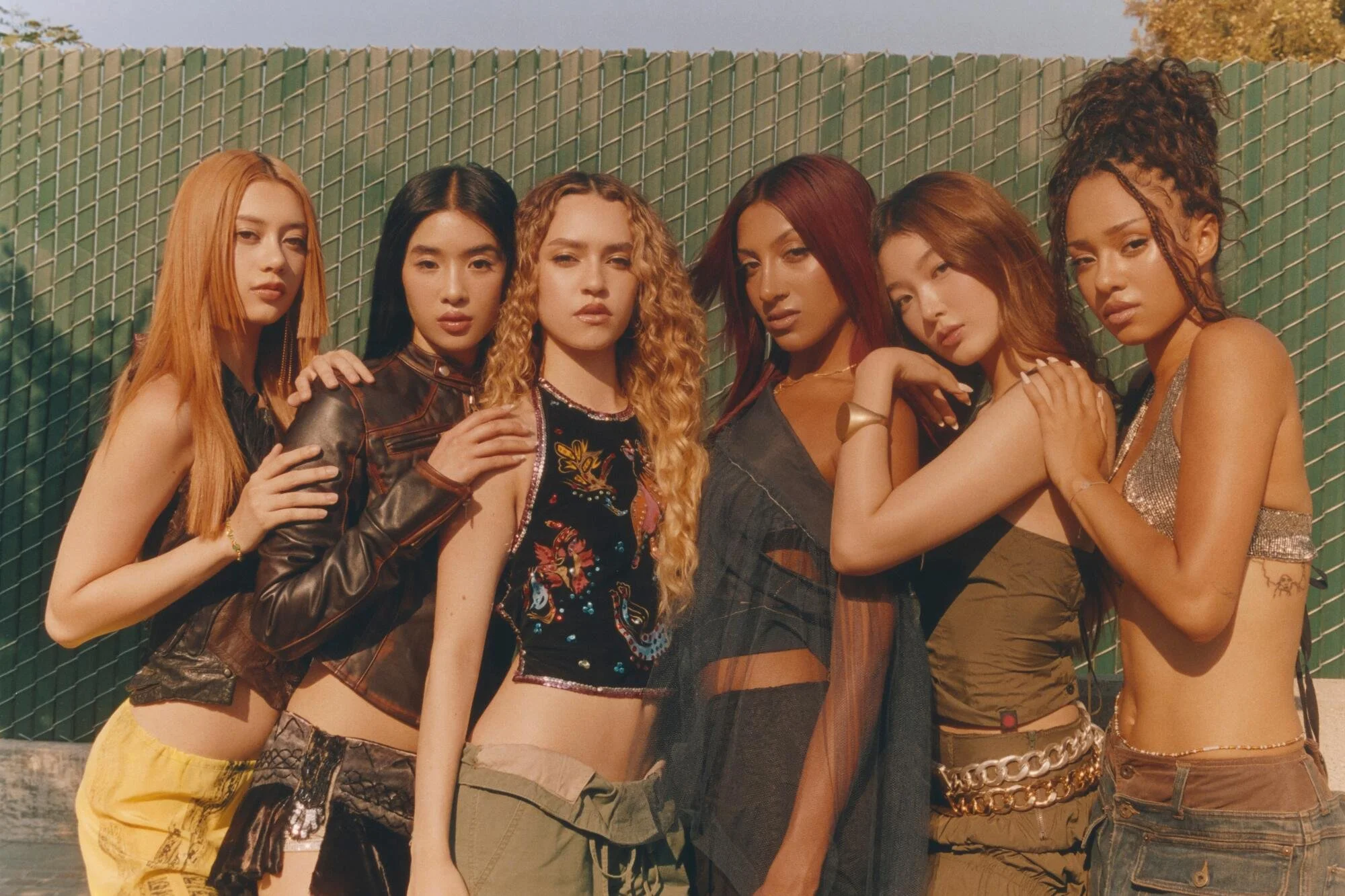
You cannot build anticipation around inclusivity and then quietly erase it.
As someone who has followed this group closely from the survival-show phase, this would be deeply disappointing. Not because lineup changes never happen — but because clarity matters. Transparency matters. If HYBE and Geffen Records cannot offer a clear, fair, and detailed explanation for singling her out — especially in a group marketed around global equity — then the optics are damaging.
And supporters are allowed to respond to that.
We have watched too many corporations hide behind vague “internal circumstances” statements when the reality often impacts the most marginalized member the hardest. When representation is part of your marketing strategy, it cannot be disposable.
I don’t say this lightly — but if transparency and accountability are not given, I will no longer support the group. Loyalty goes both ways. Fans invest emotionally, financially, and culturally into artists. If the founding promise of diversity and intentionality is compromised without respect for the audience’s intelligence, then the brand loses its integrity.
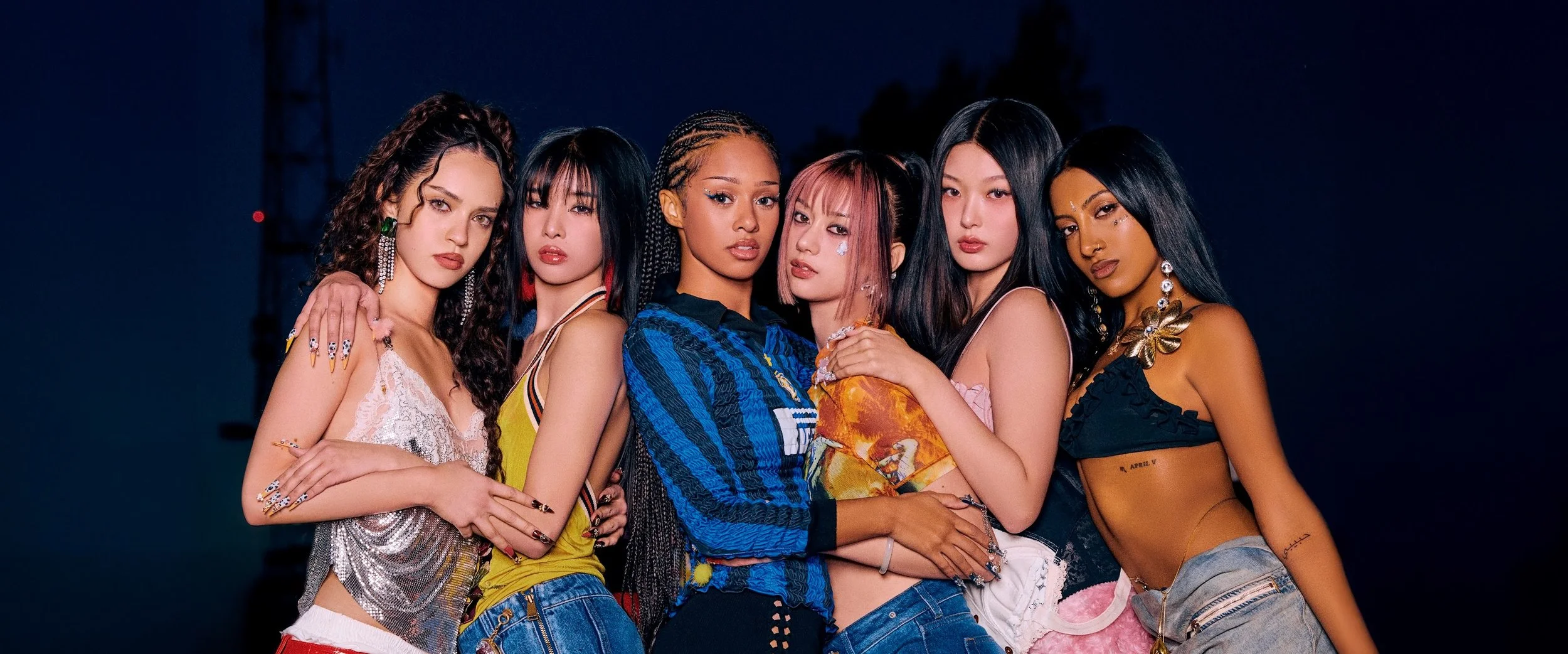
Her Representation was not an accessory. It was the architecture.
And if you dismantle the architecture, don’t expect the house to stand.