
A GROUP. A Corporation. and the price of artist autonomy: THE NEW JEANS CONFLICT
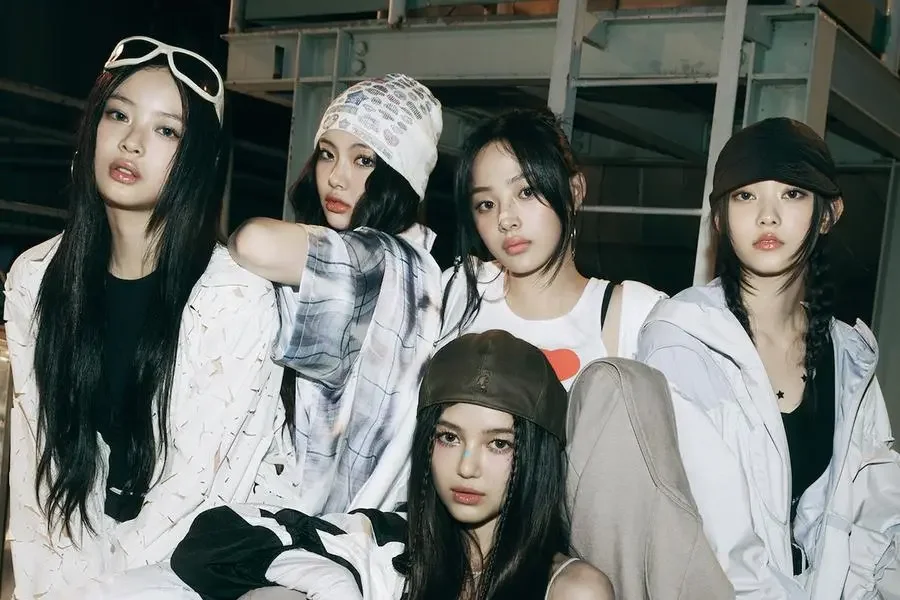
Over the last year, the NewJeans–ADOR conflict has been treated like entertainment: a bingeable storyline with villains, heroes, “receipts,” and a comment section jury. But this week, that story took a sharper turn. Multiple outlets reported that ADOR terminated Danielle Marsh’s exclusive contract and that she is now described as an ex-member, with ADOR also pursuing major legal action tied to the dispute.
And that’s where I want to pause—because when one young artist gets singled out inside a high-profile corporate dispute, we’re no longer talking about fandom drama. We’re talking about power, pressure, and the kind of public punishment that can follow you forever.
The corporate imbalance fans keep understating
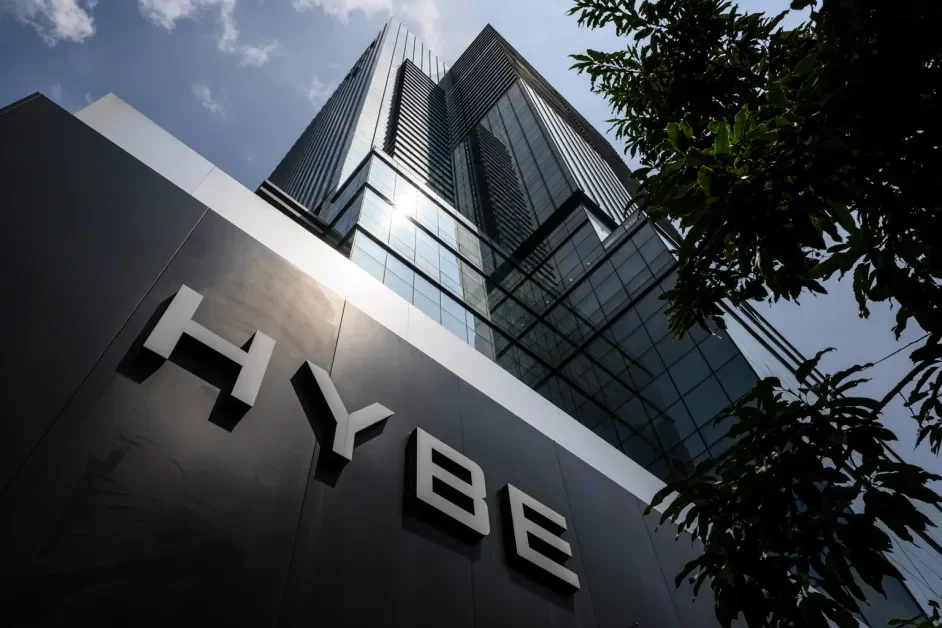
Let’s be honest about the playing field. ADOR is not a small mom-and-pop label. It’s a subsidiary under HYBE, one of the biggest entertainment corporations in K-pop. Reuters has repeatedly framed this dispute as a major label conflict involving contracts, injunctions, and control over activities—exactly the kind of machinery that can outlast any individual artist in court, in PR, and in the long game of public perception.
That imbalance matters because it shapes everything: access to top legal teams, access to media relationships, the ability to drip-feed narratives, and the ability to move forward with business as usual while the artists’ names—real human beings—become the battleground.
The thread fans don’t want to face: narrative management
One of the most painful parts of watching this unfold is seeing how quickly public sentiment can be engineered. The dispute hasn’t just been “a disagreement.” It’s been a sustained information war—headlines, selective framing, anonymous claims, and endless commentary that can make the public feel like they “know” what happened while actually only seeing what’s been curated.
Even earlier in the conflict, Reuters reported the members’ position in terms of a breakdown of trust and their desire to work with the creative leader they believed in, while ADOR maintained the contract was still valid and sought to restrict independent activities.
That matters, because when the core of the girls’ stance is “we want the chance to work with the person who built our sound and guided our rise”, it becomes very easy for a corporation to spin that into something uglier: defiance, ingratitude, manipulation—whatever best suits the moment.
And then the public, exhausted and under-informed, gets nudged toward a simpler story: “the girls are the problem.” It’s convenient. It’s clickable. It’s also cruel.
“All the girls want” is not radical—it’s human
From the beginning, the through-line has been clear in mainstream reporting: NewJeans’ conflict tied heavily to the departure/dismissal of the creative leadership the members wanted to continue working with.
Fans can argue about tactics, timing, legal strategy—fine. But the emotional core is painfully relatable:
They wanted stability.
They wanted continuity.
They wanted to be steered by someone who understood their identity as artists, not just their value as an asset.
That isn’t entitlement. That’s what every artist hopes for: a team that protects the art and the human being making it.
Why Danielle being “terminated” hits differently
According to recent reporting, ADOR confirmed Danielle’s contract termination and connected it to larger legal escalations in the dispute.
Here’s what makes that chilling from a mental-health standpoint:
When a group is already under intense scrutiny—and already living with the stress of lawsuits, injunctions, and public pressure—removing one member in a way that reads as disciplinary or punitive can function like a warning shot. It tells the remaining members, and the entire industry: we can isolate you.
Even for fans, it can trigger a new wave of scapegoating: “Who caused this?” “Which member did what?” “Who’s the reason things fell apart?” That kind of social punishment doesn’t just follow the artist online—it follows them into every room they enter.
This is where I’m angry: the mental health cost is treated like collateral
K-pop already runs on impossible expectations: perfection, constant availability, constant performance, constant gratitude. Add a prolonged corporate conflict and you create a pressure cooker that can distort reality for everyone involved.
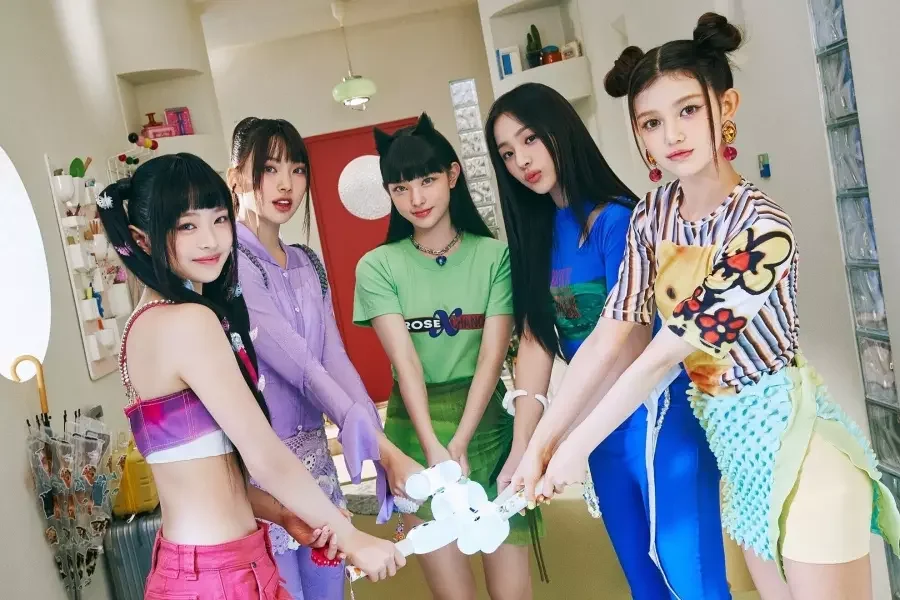

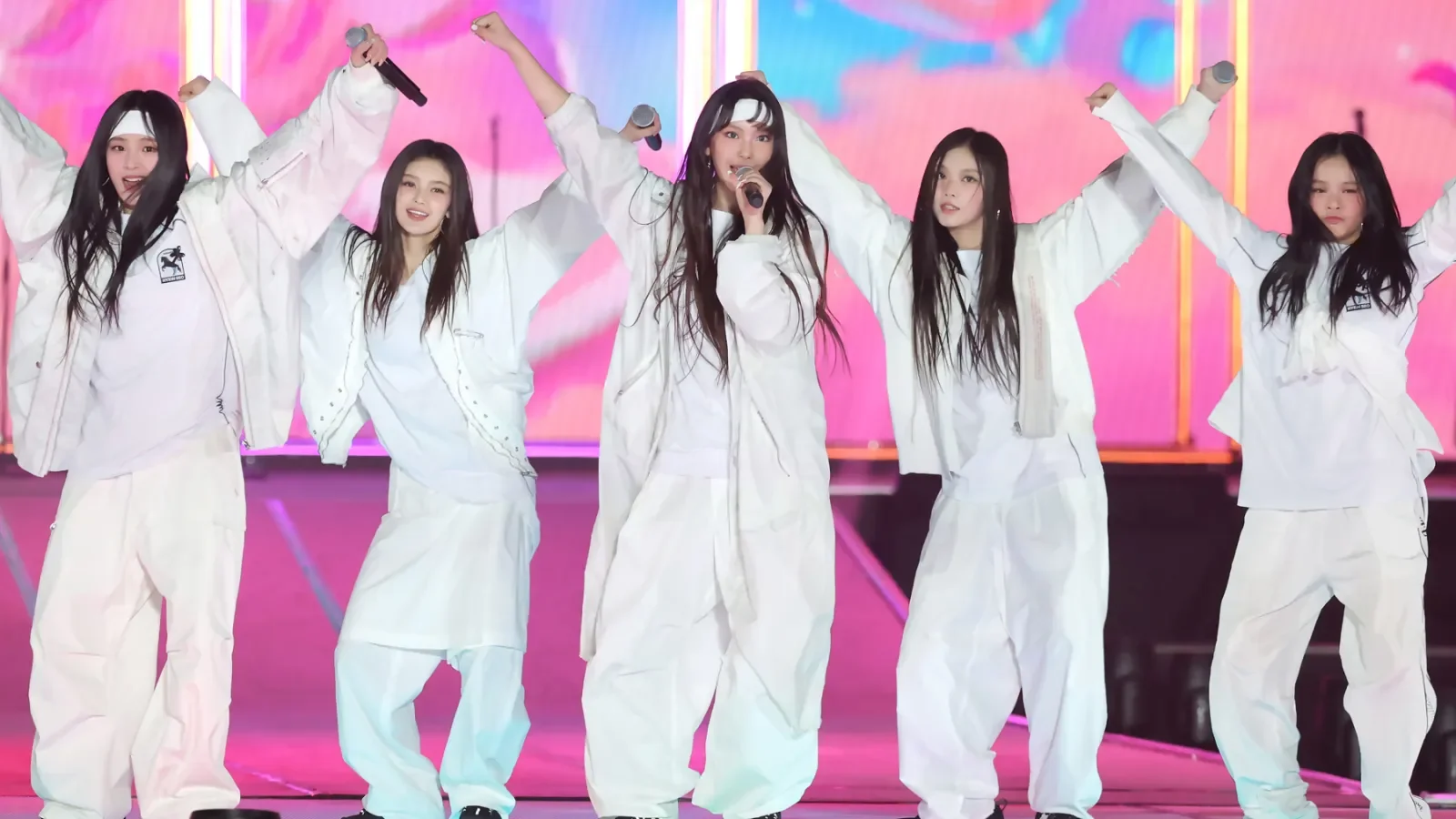
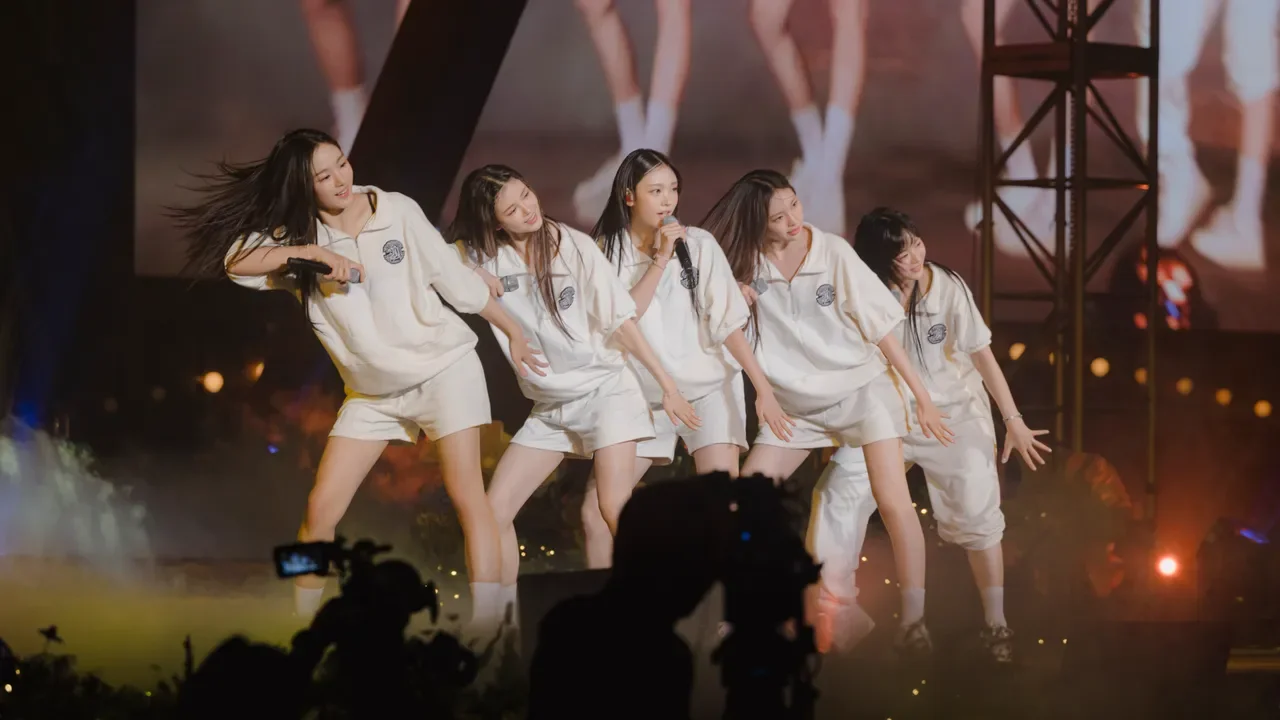
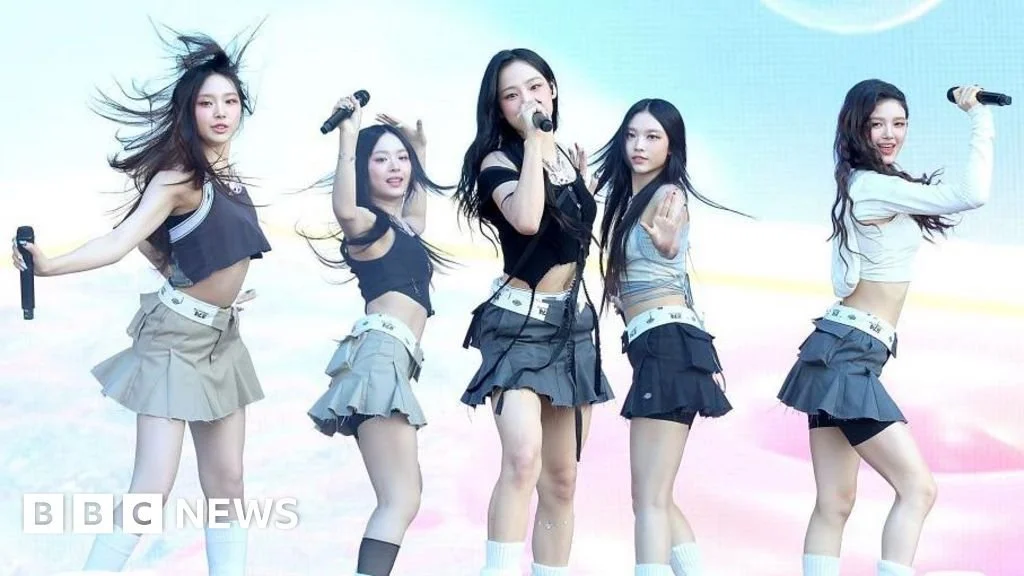
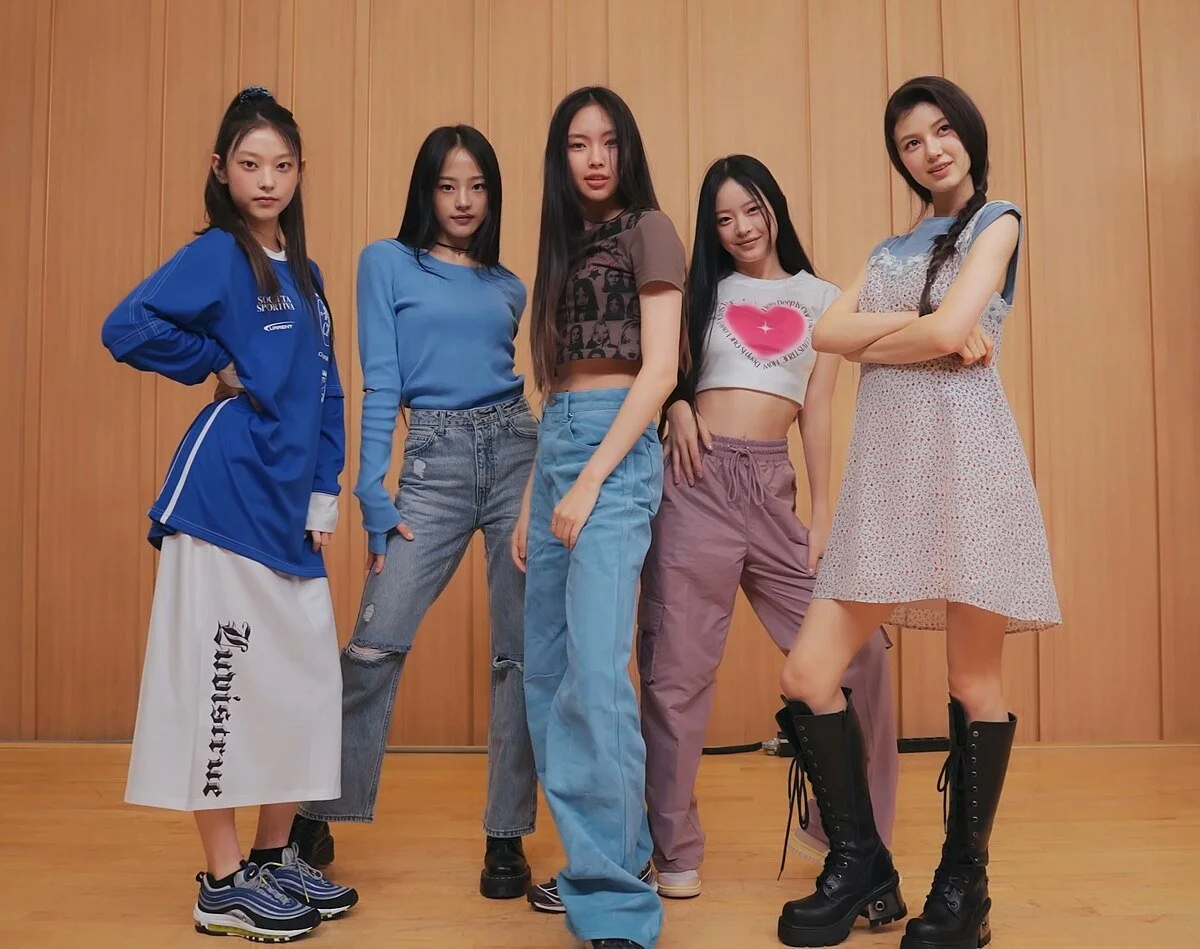
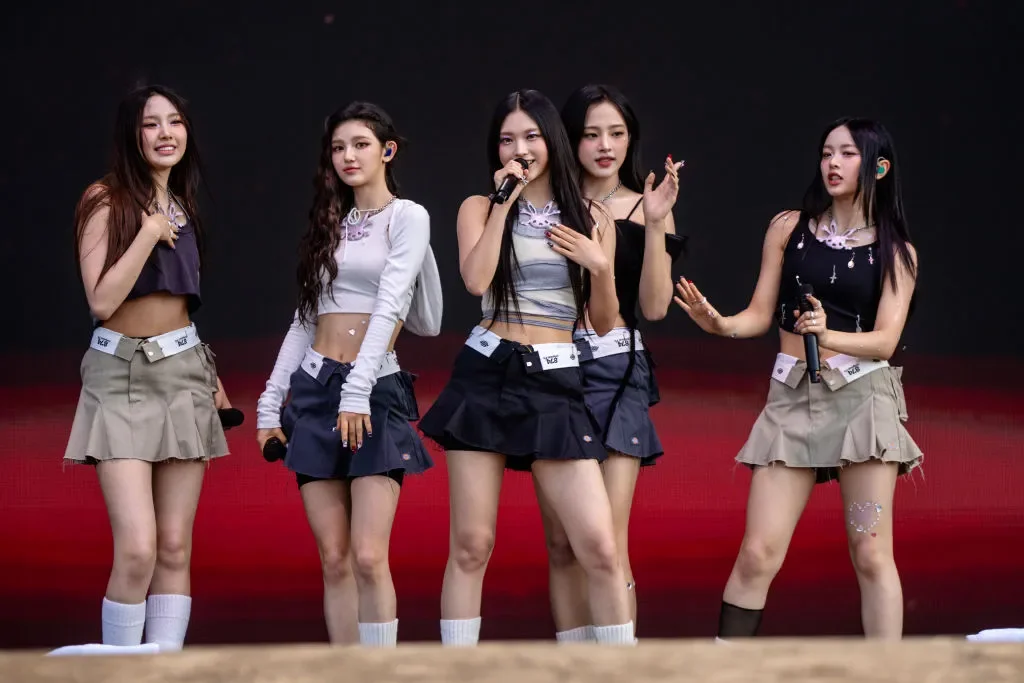
What I want people to say out loud is this:
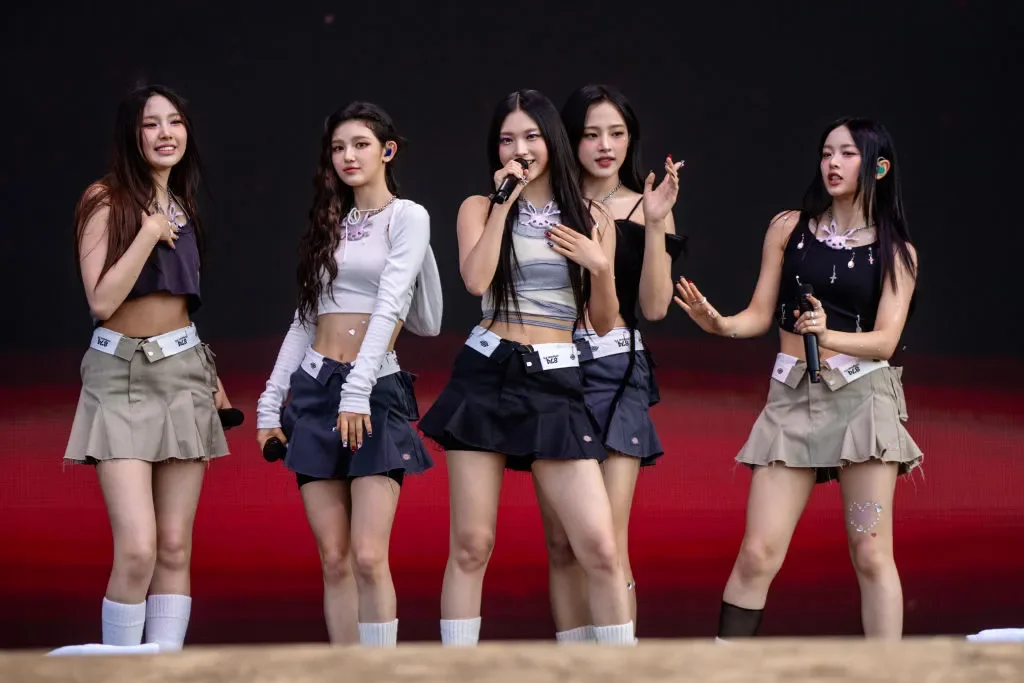
• These are young women, not chess pieces.
• Group identity is psychological safety—taking one piece out in public conflict is not just a business decision; it’s destabilizing.
• Public pile-ons are not “accountability.” They’re entertainment disguised as morality.
If corporations can outlast individuals, then the public’s role matters even more. Fans don’t have legal power here. But we do have narrative power. We can refuse to be recruited into a PR strategy that depends on turning the world against the girls.
The industry lesson nobody wants to learn
This situation is not just about NewJeans. It’s a case study in modern celebrity control: contracts, injunctions, branding ownership, and media framing. Reuters reported a court injunction that restricted the group from pursuing independent commercial activities without the label’s consent, underscoring how tightly the system can hold artists even amid public conflict.
When you see that kind of structural control, it becomes harder to accept the lazy take that “the girls should’ve just handled it quietly.” Quietly is often how people get erased. Quietly is how pressure stays invisible until it breaks someone.
Why this hits different—for those of us who’ve been there
There’s another layer to this that I can’t ignore, because I’ve lived it.
As an artist who has stood across from a company fighting for my music rights, my creative freedom, and the dignity of being treated like a human instead of a line item, this situation doesn’t read as abstract or theoretical. It reads familiar. Painfully familiar.
When you’ve been inside that imbalance—when you’ve watched legal language quietly swallow years of work, when your voice gets reframed as “difficult,” “emotional,” or “unprofessional” simply for wanting agency—you recognize the pattern immediately. You recognize how quickly protection turns into control, how “business decisions” erase people, and how silence is often demanded in exchange for survival.
That’s why watching what’s happening to these girls—and now, seeing one member publicly removed—hits harder than fandom outrage ever could. Because once you’ve been through it, you know how isolating it is to realize that the system was never built to hear you, only to own you.
This isn’t just about contracts. It’s about what happens to artists who dare to say: we want to be involved in our own futures.
And for anyone who has fought that fight before, this moment isn’t shocking—it’s triggering. It’s a reminder of how easily creative passion can be reframed as rebellion, and how swiftly the industry moves to punish those who don’t stay obediently grateful.
That lived experience is why I refuse to flatten this into gossip or take sides based on headlines. Because behind every legal update is the same truth artists have been warning about for decades:
When power feels threatened, creativity is the first thing they try to control—and the artist pays the psychological price.
Where I stand
My sentiment toward the agency—toward the corporate structure around it—is simple: I don’t trust a system that can turn a creative partnership into a courtroom and then sell the public a simplified villain story to keep the machine running.
And my sentiment toward the group is protective:
They deserve space to be human.
They deserve advocates who don’t treat their pain as content.
They deserve the chance to work with leadership that actually cares about their artistry and wellbeing—not just the spreadsheet version of their value.
If you want to criticize something, criticize the system that normalizes this.